Sit-on-Top vs. Sit-Inside Kayak: How to Choose
Caney Fork Outdoors
Sit-on-top and sit-inside are the two basic kayak shapes, and the difference is bigger than looks. It changes how you get in and out, how dry you stay, whether you can stand up, and what kind of water the boat is actually built for.
Open deck vs. enclosed cockpit
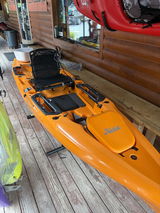
A sit-on-top kayak has a molded deck with a seat well on top of a sealed hull. Water that comes aboard drains straight back out through scupper holes. You can't swamp it, and if you flip it, it stays afloat and is easy to climb back onto from the water.
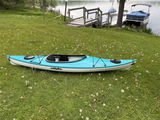
A sit-inside kayak has an enclosed cockpit. You sit down inside the hull, lower to the water, often with a spray skirt sealing around your waist to keep water out entirely. It keeps more water out in choppy conditions but takes on water if it flips, and getting back in from open water is a harder skill without practice or a paddle float.
Stability and re-entry vs. weather protection
Sit-on-tops are wider and sit higher, which makes them more stable and much easier to re-board if you go in the water. That matters for anyone new to kayaking, for fishing where you're shifting weight to net a fish, or for warm-water paddling where getting wet isn't a problem.
Sit-insides sit lower and narrower, which makes them faster and better at cutting through wind and chop, and the enclosed cockpit and spray skirt keep you warmer and drier in cold or rough conditions. That's why sit-inside is the standard choice for cold-water touring and open-water paddling where staying dry matters.
Standing to cast or fish
Sit-on-top kayaks are built to stand in. The wide, stable hull and open deck give you the platform to stand and cast, sight fish, or just stretch out on a long day. A sit-inside cockpit doesn't give you that option. You're seated the entire trip.
Warm water vs. cold water
Sit-on-tops make sense in warm water because getting wet, from splash, waves, or falling in, isn't a real problem. In cold water, that same exposure is a real safety issue: a sit-inside with a spray skirt keeps you dry and warmer, and dressing for cold-water immersion still matters regardless of hull type if you're paddling in winter or early spring conditions.
Storage
Sit-on-tops carry gear in open tank wells and sealed hatches on top of the hull, easy to access mid-trip but exposed to sun and spray unless it's in a hatch. Sit-insides carry gear inside the hull itself, in bow and stern compartments, which keeps more of it dry and out of the way but makes digging it out mid-paddle harder.
Who each style actually suits
Sit-on-top fits anglers who want to stand and cast, anyone paddling warm water, beginners who want an easy, forgiving boat, and anyone who wants to get in and out casually throughout the day. Browse sit-on-top fishing kayaks or pedal drive fishing kayaks if you want hands-free propulsion on top of that stability.
Sit-inside fits paddlers covering distance, touring cold or open water, and anyone who wants speed and weather protection over standing room and easy re-entry. See our recreational and touring paddle kayaks for sit-inside options.
The short version
Sit-on-top: stable, self-bailing, easy to re-board, built for standing and warm water. Sit-inside: faster, drier, better in cold or rough water, built for covering distance. Pick based on the water you paddle most, not which one looks more advanced.