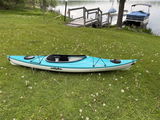
Fishing Kayaks
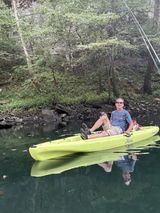
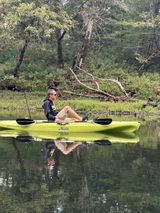
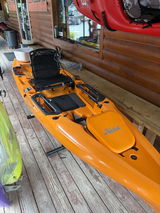
Let us put you in the right fishing kayak. Shop pedal, paddle and motorized fishing kayaks from Jackson Kayak, Bonafide, Native Watercraft, Old Town, and Hobie, with sit on top, sit in, solo and tandem models built to fish from.

Have a question about fit? Chat with us or call (615) 696-7887, and let us put you in the right fishing kayak.


Janice and Ryan were awesome to work with! They knew their stuff. Every question I had they were able to answer and because of them I was able to make a very informative decision on which kayak I wanted to purchase. I really enjoyed my purchasing experience. Thank you, Janice and Ryan. I love my new Hobie kayak!
Janice and Ryan were wonderful to work with! Very helpful and informative. My husband love his kayak. My husband says., ‘ It is very functional and easy to ride, especially with the reverse petals.’ he really enjoys the reverse feature of the kayak. I enjoy how easy it is to turn the kayak in the water… plus I can choose which workout I want, legs or arms. LOL
We now both have Hobie kayaks and we LOVE THEM!
Thank you Janice and Ryan for all your help and your knowledge.
I absolutely love my Jackson Karma Traverse! 10, The storage is incredible, & it has phenomenal flatwater tracking while still being so capable in whitewater. It’s especially perfect for sw canyons where the water isn’t always fun to drink and you're doing 80 miles of flatwater to get to 30 miles of rapids:D
Caney Outdoors was also awesome to work with! All directions were so clear, picking up from freight super easy, the kayak was so securely packaged. Shipping was also very fast, even across the country.
Highly recommend a Jackson Kayak for anyone who loves having fun on a river, and definitely get it from Caney Fork Outdoors. Very grateful!!
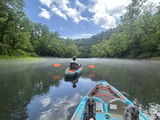
The river was great and the company was so caring about the customers and the river. We put in at 10:00 and the dam was scheduled to open at 1:00. The owner told us we should be out of the river by 1:30 because our youngest can't swim and the water would rise. We got out at 1:00. It was a 6 mile paddle and the company was excellent!
Caney Fork Outdoors - in business 50+ years - very safety aware and family owned / operated. They had a bunch of kids and grandkids helping. Everyone was very sweet, friendly and professional. I would highly recommend! During the week they do a 9 mile trip too. They do a yearly “clean the river” trip in October that they told us about and details/sign up are advertised on their FB page in September. They really care about the river and their customers!!
I’ve bought two kayaks from Caney Fork Outdoors and they are the tip top in customer service! They are always kind and very helpful. My kayaks are always clean and ready to go when I arrive to pick them up. They make it a very easy transaction. If you are looking to buy a new kayak, and are searching the internet for the best deal, save yourself some time and just go to Caney Fork Outdoors. 👍🏻
Ryan and the folks at Caney Fork Outfitters were great. They are so knowledgeable about everything kayak.
A refreshing paddle a fun boat that doesn’t take on water that beginners boat just a little tippy, but that’s what makes it fast
Incredible team the guys stayed with even after hours and made sure I was set up, this is the best kayak dealer in the area and they will make sure you are taken care of. So happy with the new yak.
Awesome delivery and even better product!
This is a great store. The staff are honest and helpful. The store is well stocked and the items are well priced.
This is a great whitewater kayak. It does everything well. This is a kayak that works well in all kinds of conditions and water types.
Caney Fork Outdoors went above and beyond and I couldn't be happier with them!
Fantastic buying experience on a wonderful kayak. Couldn't be happier. Thank you!
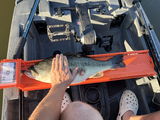
Wonderful experience from start to finish. We showed up earlier than they opened and we were warmly greeted by the mom of the family. Her son quickly arrived and promptly got us checked in and told us the ropes. He even gave us pointers on the fish that were biting and where we should aim to go to catch them. We were quickly brought to the river and really enjoyed our very comfortable kayaks. With his advice we caught a ton of fish. Even our novice 9 year old caught two types of trout! We texted when we got close to the end and were picked up quickly and brought back to our cars by another family member. I highly recommend this company, you can tell it’s a small family business and they really want you to have a great experience.
Great boat and they were fantastic about the entire process- from purchase through delivery!